
Senior Care Digital Marketing: How to Get More Leads Online
Discover how senior care digital marketing can increase online visibility, build trust, and generate more leads from families.
Finding the right senior care service is an important decision for families. Today, many people begin their search online before calling a care home, senior living facility, or home care provider. This makes senior care digital marketing an important part of building online visibility, generating enquiries, and creating trust with potential families.
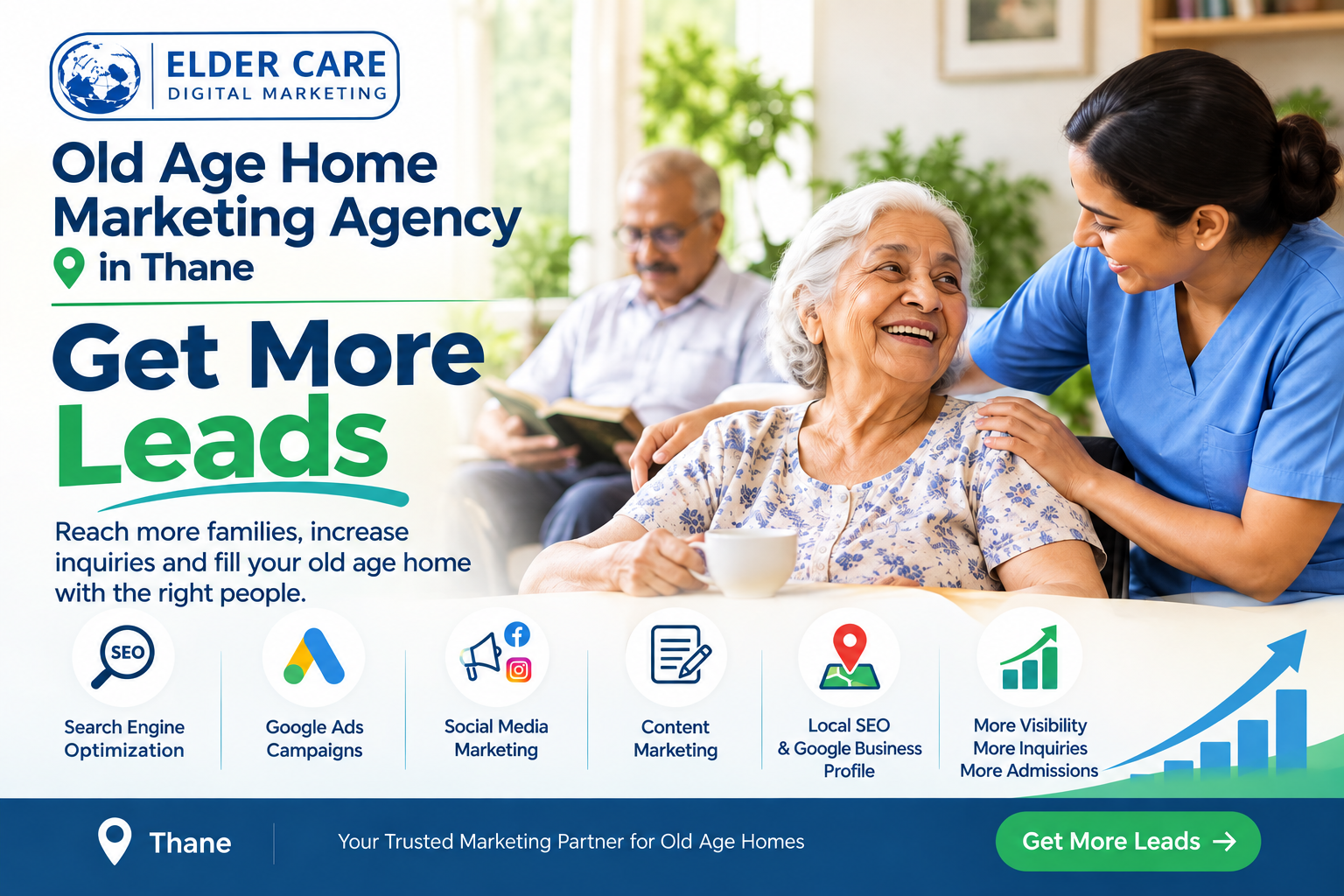
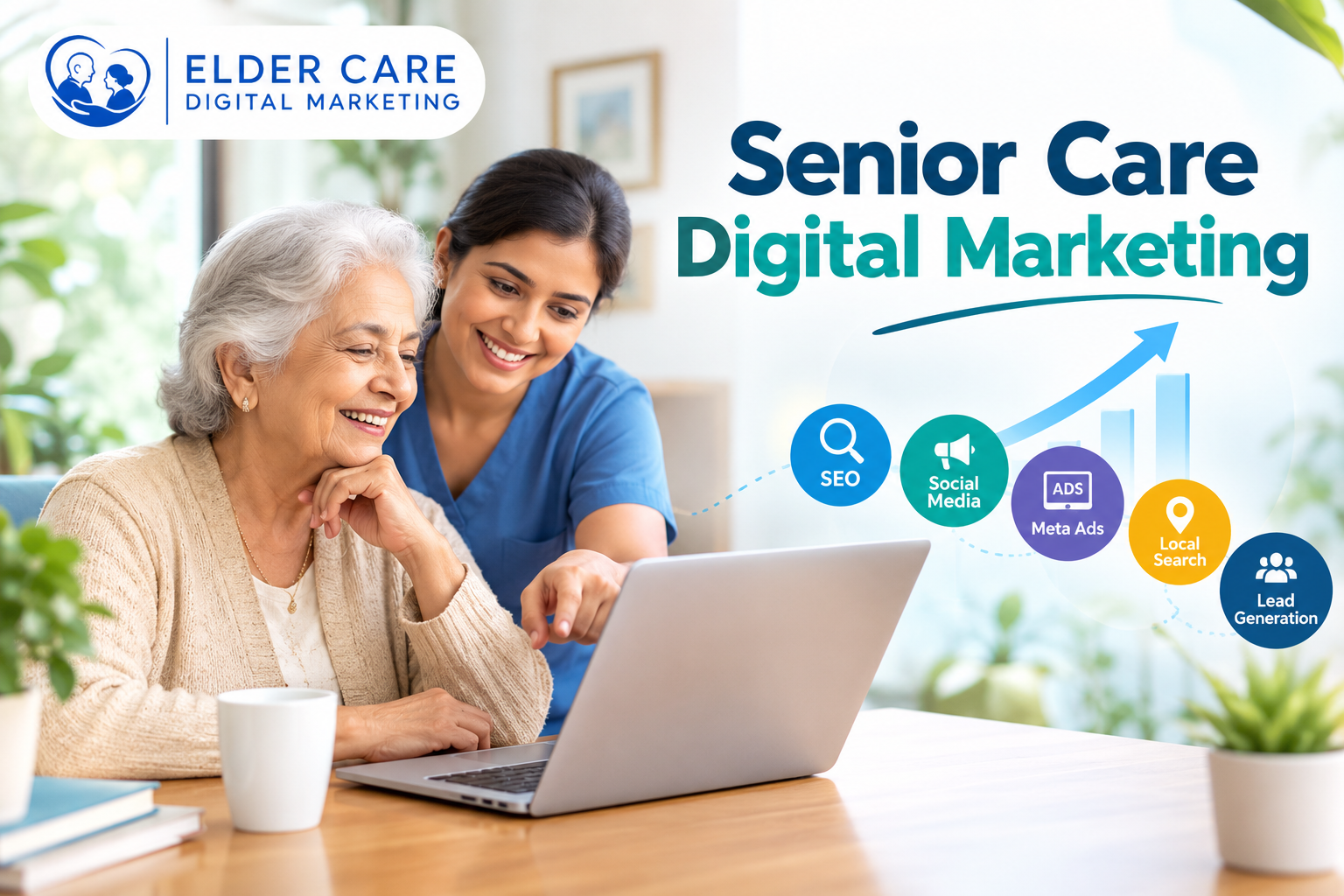
A strong online presence can help senior care providers appear when families are actively searching for care options. A complete strategy can combine SEO, social media, paid advertising, local search, website optimization, and useful content.
For senior care providers looking to improve their online presence, senior care marketing can include different digital channels working together rather than relying on a single source of enquiries.
What Is Senior Care Digital Marketing?
Senior care digital marketing is the use of online marketing channels to help senior care businesses and facilities reach families searching for elderly care services.
It can include:
- Search engine optimization (SEO)
- Local SEO
- Google Ads
- Social media marketing
- Meta Ads
- Content marketing
- Website optimization
- Lead generation
- Online reputation and trust-building
The objective is not simply to bring more website visitors. The focus should be on attracting relevant visitors who may need information about senior care, assisted living, home care, or residential care.
Why Digital Marketing Matters for Senior Care Providers
Families often research several care options before making contact. They may search for services, locations, facilities, pricing information, reviews, care options, and availability.
This creates multiple opportunities for senior care providers to appear throughout the research journey.
A well-planned digital marketing for senior care strategy can help a facility build visibility across search and social platforms while providing families with useful information before they make an enquiry.
1. Use SEO to Reach Families Searching on Google
SEO helps senior care websites become more visible for relevant search queries.
For example, a provider may target terms related to:
- Senior care services
- Senior living facilities
- Elderly care
- Home care
- Care homes
- Old age homes
- Senior living near me
- Elder care services
The important part is matching content with search intent. Someone searching for “what is senior care” needs educational information, while someone searching for “senior care facility near me” may already be looking for a provider.
Creating separate pages and content for these different search intents can help build a stronger organic presence.
2. Build Local Visibility
For senior care providers serving a particular city or area, local visibility can be especially important.
Families may search using location-based phrases such as “senior care in Mumbai” or “old age home near me.” Optimizing location pages, Google Business Profile information, website content, and local signals can help businesses become more discoverable in these searches.
Local SEO should also provide clear information about the facility, services, location, contact options, and areas served.
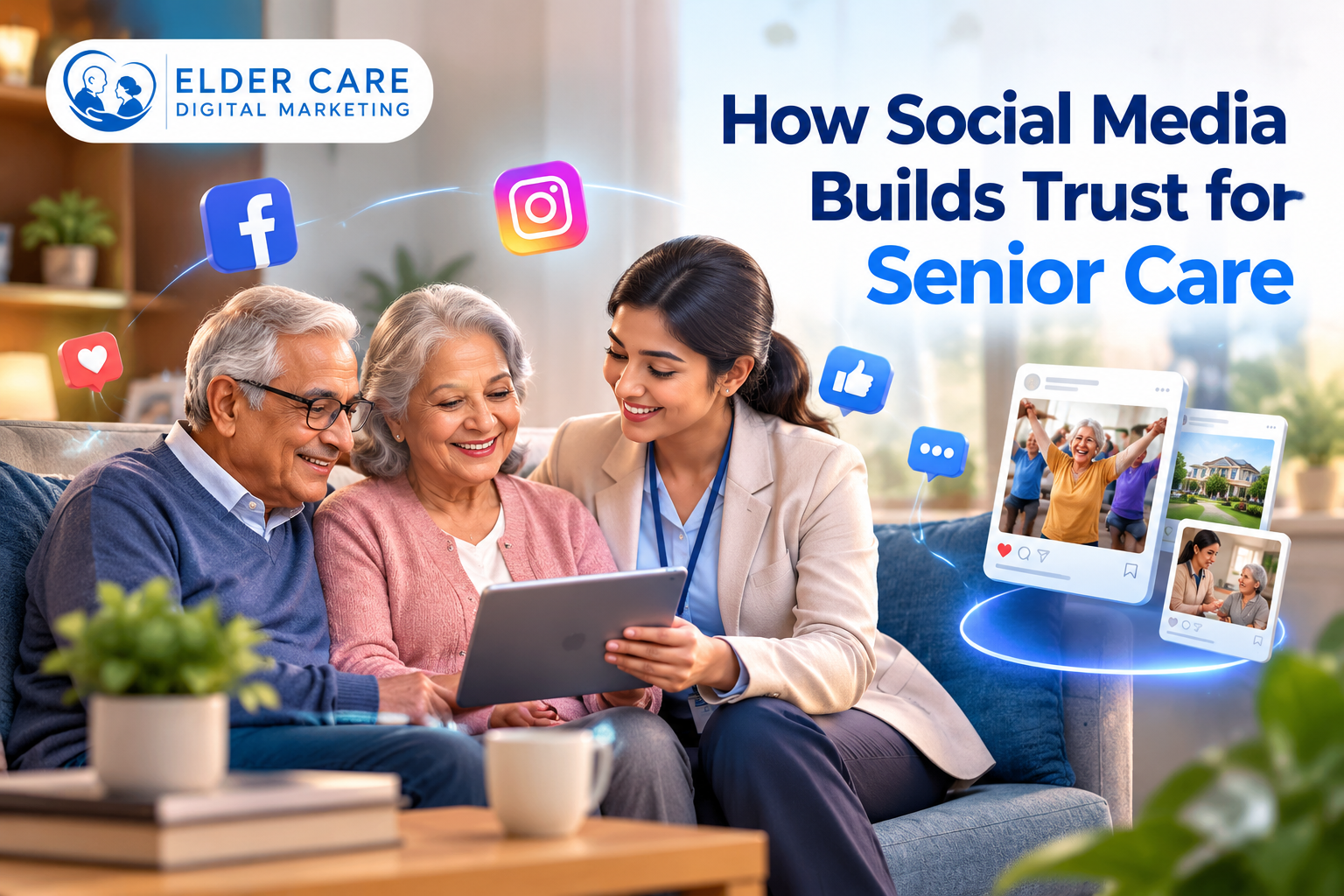
3. Use Social Media to Build Trust
Senior care is a trust-driven industry. Families want to understand the environment, services, staff, facilities, activities, and overall experience before making an enquiry.
Social media can help providers communicate these details through educational posts, facility updates, activities, FAQs, videos, and other useful content.
A consistent senior living digital marketing strategy can connect social media activity with broader lead-generation objectives instead of treating social media only as a branding channel.
4. Use Paid Advertising for Immediate Visibility
SEO can take time to build, while paid advertising can place a relevant service in front of people searching for it.
Google Ads can be used for searches with strong commercial intent, while Meta Ads can help reach specific audiences with carefully designed campaigns.
The important part is creating a connection between the advertisement, landing page, enquiry form, and follow-up process. Simply generating clicks does not automatically create quality leads.
5. Create Content That Answers Family Questions
Content marketing can help senior care providers answer questions before a family makes contact.
Useful topics can include:
- How to choose a senior care facility
- What services should a care home provide?
- Questions to ask before selecting elderly care
- How much does senior care cost?
- Signs that an elderly parent may need additional support
- How families can compare senior living options
- What to look for during a facility visit
This type of content can attract informational searches while gradually introducing the provider’s services.
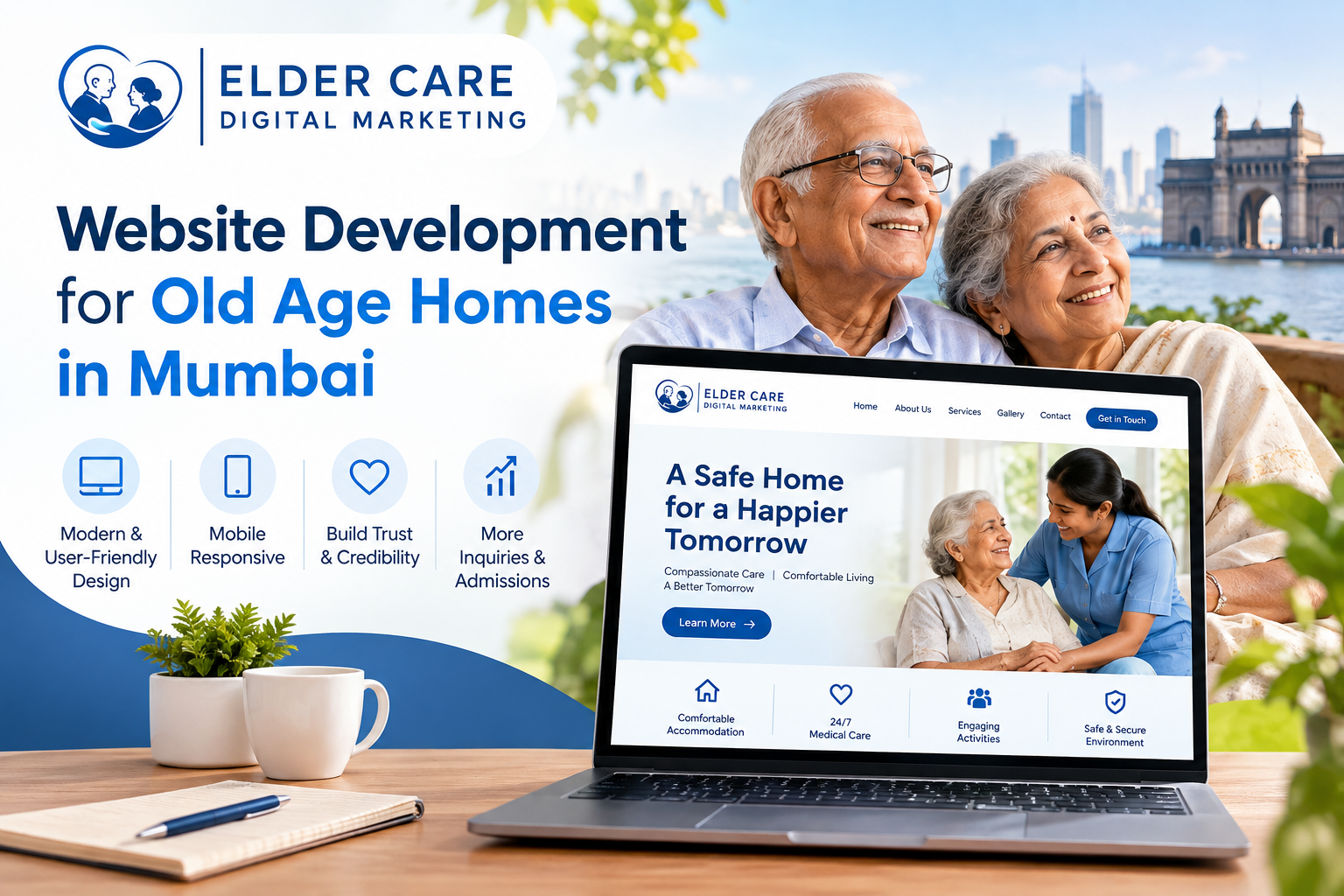
6. Optimize the Website for Enquiries
Getting visitors to a website is only one part of digital marketing. The website should also make it easy for visitors to take the next step.
Important elements include:
- Clear service information
- Easy-to-find contact details
- Enquiry forms
- Click-to-call options
- Facility photos
- Location information
- FAQs
- Testimonials where appropriate
- Clear calls to action
A website designed around the visitor’s questions can reduce friction and make it easier for families to contact the provider.
7. Use Meta Ads to Reach Relevant Audiences
Meta advertising can support awareness and lead-generation campaigns for senior care providers.
Campaigns can promote educational content, facility information, enquiry forms, consultations, or specific services. Different creative formats can also be tested to understand which messages generate meaningful engagement.
However, advertising should be connected to a clear landing page and follow-up process so that enquiries do not get lost after the initial interaction.
8. Track Leads Instead of Only Traffic
Website traffic is useful, but it does not tell the complete story.
Senior care providers should monitor metrics such as:
- Enquiries
- Phone calls
- Form submissions
- WhatsApp enquiries
- Cost per lead
- Qualified leads
- Landing-page conversion rate
- Lead sources
Tracking these metrics makes it easier to understand which channels are generating actual business opportunities.
Turning Digital Marketing Into a Lead Generation System
The most useful approach is to think of digital marketing as a complete journey.
A family may first discover a senior care provider through Google. They may then visit the website, check social media, read reviews, compare services, and finally submit an enquiry or make a call.
That means SEO, content, social media, paid advertising, and website conversion should support each other.
For providers ready to discuss their specific requirements, senior care marketing services can be planned around their location, target audience, services, and enquiry goals.
How to Create a Senior Care Digital Marketing Strategy
A practical strategy can follow these steps:
Step 1: Identify Your Target Audience
Define who you want to reach. This could include family members looking for care for parents, seniors researching living options, or people searching for specific elderly care services.
Step 2: Research Search Intent
Find out what your audience searches at different stages of the decision process.
Separate keywords into:
- Informational keywords
- Commercial keywords
- Local keywords
- Transactional keywords
Step 3: Improve Your Website
Make sure important services have dedicated pages with useful information, clear navigation, strong calls to action, and easy contact options.
Step 4: Build Search Visibility
Create useful SEO content around relevant senior care topics while improving technical SEO and local search signals.
Step 5: Promote Through Social Media
Share useful educational content, facility updates, FAQs, videos, and trust-building information consistently.
Step 6: Launch Paid Campaigns
Use paid search or social campaigns where appropriate, with dedicated landing pages and clear conversion goals.
Step 7: Measure and Improve
Review which pages, keywords, campaigns, and channels generate enquiries. Use those insights to improve future campaigns.
Informational to Transactional: Moving Families Toward Enquiry
A successful content strategy should not push visitors to contact a provider immediately.
Instead, start by answering their questions.
For example:
Informational:
“What should I look for in a senior care facility?”
↓
Commercial:
“What services does a senior care facility provide?”
↓
Transactional:
“Senior care facility in Mumbai — contact us”
This progression allows families to learn first and make an enquiry when they are ready.
Conclusion
Senior care digital marketing is about more than publishing social media posts or running advertisements. It involves creating a connected online presence that helps families discover a provider, understand its services, build confidence, and take the next step.
SEO can support long-term visibility, social media can help build trust, paid advertising can provide targeted exposure, and website optimization can turn visitors into enquiries.
For senior care providers, the key is to build a strategy around relevant searches, useful information, trust, and measurable enquiries rather than focusing only on website traffic.
Families can also discover educational and marketing updates through senior care digital marketing resources.


Frequently Asked Questions
1. What is senior care digital marketing?
Senior care digital marketing is the use of online channels such as SEO, social media, paid advertising, content marketing, and websites to help senior care providers reach families and generate enquiries.
2. How does digital marketing help senior care businesses?
It can improve online visibility, help families discover services, provide useful information, build trust, and create opportunities for enquiries through search engines, social platforms, and websites.
3. What is the role of SEO in senior care marketing?
SEO helps a senior care website appear for relevant searches. It can target informational, local, commercial, and service-related keywords to reach people at different stages of their research.
4. Is social media useful for senior care providers?
Yes. Social media can be used to share educational information, facility updates, activities, FAQs, videos, and other content that helps families understand a provider before contacting them.
5. Can Google Ads generate senior care leads?
Google Ads can help a provider appear for relevant searches when people are actively looking for services. Results depend on factors such as targeting, keywords, ad messaging, landing pages, budget, and lead follow-up.
6. How can a senior care website generate more enquiries?
A website can make enquiries easier through clear service pages, visible contact information, enquiry forms, calls to action, useful FAQs, location details, and trust-building content.
7. How long does senior care SEO take to show results?
SEO generally requires consistent optimization and content development over time. The timeline can vary depending on competition, website condition, location, authority, and the search terms being targeted.
8. How can I get started with senior care digital marketing?
Start by reviewing your website, target audience, search visibility, local presence, social media, and existing lead sources. Then create a strategy that connects SEO, content, social media, paid advertising, and conversion tracking around your enquiry goals.
4 Responses